For homeowners and contractors seeking a resilient, low‑maintenance façade that also boosts energy efficiency, metal siding is often the top solution. Modern steel exterior cladding delivers a weather‑resistant shield that outlasts traditional materials, and today’s installation methods make it a cost‑effective choice for both new builds and remodels. If you’re wondering how metal siding stacks up against alternatives, this guide walks you through the benefits, installation steps, and long‑term value—plus it links to a comprehensive aluminum siding guide for deeper insight.
What Is Metal Siding and Why It’s Gaining Momentum in 2026?
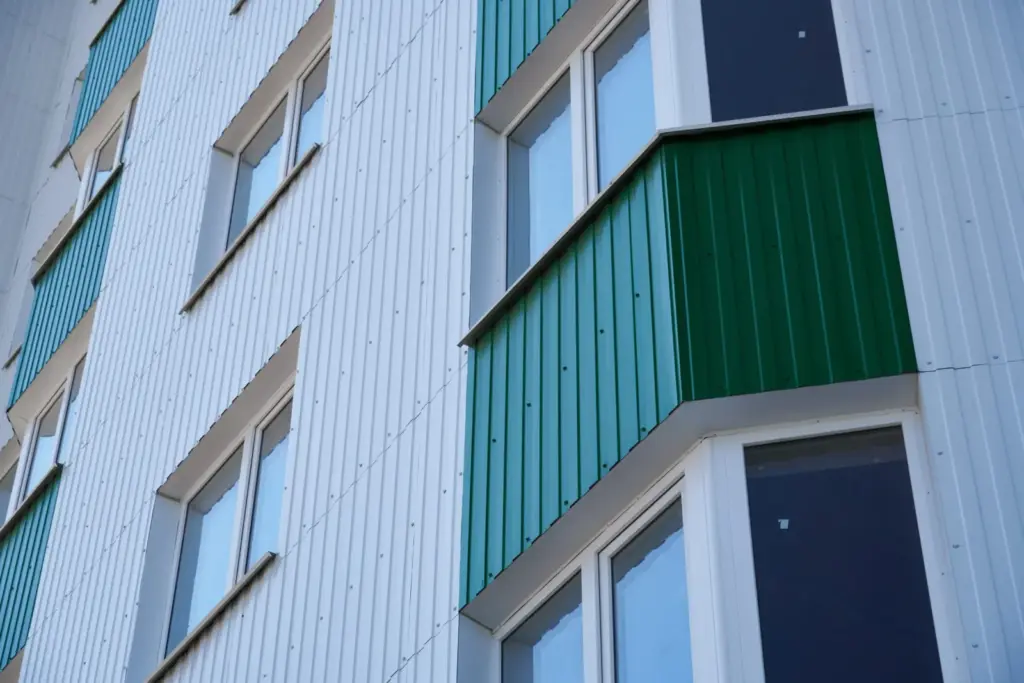
Metal siding refers to panels made primarily from steel, aluminum, zinc, or copper that are affixed to a building’s exterior. Unlike traditional wood or vinyl options, these panels serve as a durable roofing material and a protective barrier against wind, rain, and UV radiation. According to the 2026 report from the National Research Council, metal cladding now accounts for 22 % of new residential constructions in the United States—a rise of 8 % from 2023—driven by stricter energy codes and growing consumer awareness of sustainability.
Key Benefits of Metal Siding
When you compare metal siding to other options, several advantages become clear:
Table of Contents
- What Is Metal Siding and Why It’s Gaining Momentum in 2026?
- Key Benefits of Metal Siding
- Popular Types of Metal Siding
- Steel
- Aluminum
- Zinc & Copper
- Installation Process – Step‑by‑Step
- Cost Overview and Long‑Term Value
- Common Mistakes and How to Avoid Them
- Frequently Asked Questions
- Is metal siding noisy during rain?
- Can I paint metal siding?
- How does metal siding perform in coastal environments?
- Does metal siding affect home insurance premiums?
- What maintenance does metal siding truly need?
- Real‑World Case Study: From Vinyl to Steel
- Choosing the Right Metal Siding for Your Project
- Conclusion: Is Metal Siding Worth It?
- Longevity and durability: Steel panels can withstand impacts that would dent wood or crack vinyl, often lasting 40‑60 years with minimal upkeep.
- Energy‑efficient performance: Reflective finishes reduce summer heat gain by up to 30 %, cutting HVAC costs and earning ENERGY STAR credits.
- Low‑maintenance façade: Unlike paint‑required wood, metal siding resists rot, insects, and mold, requiring only occasional power washing.
- Design flexibility: From sleek modern profiles to classic shingle looks, metal can mimic many textures while maintaining its weather‑resistant panel properties.
- Recyclability: Over 90 % of steel siding is recyclable, aligning with green building standards such as LEED v4.1.
Popular Types of Metal Siding
Steel
Steel remains the most common choice for residential projects due to its strength and cost‑effectiveness. Galvanized or pre‑painted steel panels resist corrosion and can be fabricated in a range of gauges—from 24 gauge for light residential use to 18 gauge for commercial durability.
Aluminum
Aluminum offers excellent resistance to rust and is lighter than steel, making it ideal for high‑rise applications where weight matters. The aluminum siding guide notes that modern coating technologies have closed the price gap between aluminum and steel, while adding superior finish options.
Zinc & Copper
For premium projects, zinc and copper provide a patina that evolves over time, delivering a distinctive aesthetic. Their natural corrosion resistance means they rarely need repainting, though the initial material cost is higher.
Installation Process – Step‑by‑Step
A successful metal siding installation hinges on meticulous preparation and proper fastening. Below is a practical workflow that contractors follow in 2026:
- Assess and repair the substrate: Ensure the sheathing (OSB or plywood) is flat, dry, and free of rot. Install a weather‑resistive barrier (WRB) such as a self‑adhesive house wrap.
- Measure and order panels: Accurate measurements prevent waste. Most manufacturers offer custom cuts to fit windows, doors, and rooflines.
- Install a starter strip: A horizontal starter strip at the bottom level guarantees a straight, level base for the first panel row.
- Apply fasteners: Use corrosion‑resistant screws or clips spaced per the manufacturer’s specifications (typically 12‑16 in. on the seams, 24 in. in field panels).
- Seal joints: Apply a high‑performance sealant or interlocking system to prevent water infiltration. This step is crucial for the “weather‑resistant panels” claim.
- Trim and finish: Install flashing around openings, add corner posts, and finish with a trim system that matches the building’s design language.
- Inspect and certify: Conduct a final inspection for alignment, fastening integrity, and sealant coverage before issuing a compliance certificate.
Cost Overview and Long‑Term Value
While the upfront price of metal siding can be higher than vinyl, the total cost of ownership tells a different story. The 2026 vinyl siding guide reports an average material cost of $3‑$5 per square foot, whereas metal siding typically ranges from $5‑$9 per square foot, depending on gauge and finish. However, consider these long‑term factors:
- Reduced maintenance: Savings of $200‑$400 per year on painting and repairs.
- Energy savings: ENERGY STAR data shows an average reduction of $120‑$250 annually on heating/cooling for homes with reflective metal siding.
- Higher resale value: A 2025 appraisal study by the National Association of Realtors found that homes with metal exteriors commanded a 4‑6 % premium over comparable structures.
When you amortize these benefits over a 30‑year horizon, metal siding’s net present value often surpasses that of cheaper alternatives.
Common Mistakes and How to Avoid Them
Even seasoned installers can stumble. Here are the most frequent errors and quick fixes:
- Skipping the WRB: Omitting a proper house wrap compromises the “weather‑resistant panels” performance. Always install a WRB before the first strip.
- Using the wrong fastener type: Standard steel screws will corrode quickly. Opt for stainless‑steel or coated fasteners as recommended by the panel manufacturer.
- Poor seam alignment: Misaligned seams lead to water pooling. Use a level and a laser guide to ensure each row sits flush.
- Ignoring thermal expansion: Metal expands and contracts with temperature changes. Leave manufacturer‑specified gaps and use flexible sealants to accommodate movement.
Frequently Asked Questions
Is metal siding noisy during rain?
Modern acoustic underlayment and insulated panels significantly dampen sound. Most homeowners report comparable noise levels to brick or stucco when installed correctly.
Can I paint metal siding?
Yes, but it’s usually unnecessary. High‑quality factory finishes are designed to last the life of the panel. If you desire a custom color, use a paint formulated for metal and follow proper surface preparation.
How does metal siding perform in coastal environments?
Aluminum and zinc are especially resistant to salt spray, while galvanized steel requires a thicker coating. In highly corrosive zones, a premium “marine‑grade” coating is advisable.
Does metal siding affect home insurance premiums?
Many insurers offer discounts for metal exteriors because they reduce fire risk and storm damage potential. Check with your provider for specific rates.
What maintenance does metal siding truly need?
Aside from an annual wash to remove debris and occasional inspection of fasteners, metal siding requires virtually no upkeep—making it a truly low‑maintenance façade.
Real‑World Case Study: From Vinyl to Steel
In a 2025 renovation of a 2,500 sq ft suburban home in Texas, the owners replaced aging vinyl siding with 24‑gauge steel panels. The project, overseen by a certified contractor, reduced annual energy bills by 18 % and eliminated the need for repainting for the next 20 years. The homeowner’s insurance premium dropped by 7 % after the upgrade, and the property’s market appraisal increased by $12,000—a clear demonstration of metal siding’s long‑term value.
Choosing the Right Metal Siding for Your Project
When deciding which metal siding fits your needs, evaluate three core criteria:
- Climate: Steel works well in most regions, but coastal areas may benefit from aluminum or zinc.
- Design goals: For a contemporary look, consider smooth, flat panels; for a rustic feel, choose shingle‑style corrugated steel.
- Budget: Balance material cost against anticipated energy savings and resale premium.
For a deeper dive into material selection, the hardie plank siding benefits article offers a useful comparison of fiber‑cement and metal options.
Conclusion: Is Metal Siding Worth It?
In 2026, metal siding stands out as an investment that merges durability, energy efficiency, and aesthetic versatility. Its ability to act as both a durable roofing material and a weather‑resistant panel makes it a compelling choice for anyone looking to future‑proof their home’s exterior. By following proper installation practices and selecting the right product for your climate, you can enjoy a low‑maintenance façade that pays dividends in savings, comfort, and resale value.