Vinyl siding has become the go‑to exterior cladding for homeowners seeking a blend of durability, low upkeep, and curb‑appeal, and the market data for 2025 shows a 12 % increase in installations nationwide. If you’re wondering whether vinyl siding is the right choice for your next remodel, this guide breaks down the performance benefits, cost considerations, and installation tips you need to make an informed decision—no fluff, just facts you can act on today. For a deeper dive into material comparisons, see our material comparison of siding options.
Why Vinyl Siding Tops the List in 2026
Three core factors drive the popularity of vinyl siding: energy efficiency, weather resistance, and budget‑friendliness. According to the National Association of Home Builders (NAHB) 2025 Housing Outlook, homes with vinyl siding see an average 5 % reduction in heating and cooling costs compared with untreated wood siding, thanks to the material’s insulating back‑wall and tight seam construction.
Beyond savings, vinyl siding’s engineered polymer composition makes it naturally resistant to rot, termites, and UV fading. A recent study by the Building Science Institute (2026) found that 92 % of vinyl‑sided homes experienced no significant degradation after five years of exposure to coastal humidity, outperforming fiber‑cement and engineered wood.
Table of Contents
- Why Vinyl Siding Tops the List in 2026
- Key Features to Look For When Choosing Vinyl Siding
- 1. Thickness and Gauge
- 2. Insulated vs. Non‑Insulated
- 3. Color and Finish Technology
- Cost Breakdown: What to Expect in 2026
- Step‑by‑Step Installation Guide (DIY‑Friendly)
- Preparation (Day 1)
- Installation (Days 2‑4)
- Finishing Touches (Day 5)
- Common Mistakes and How to Avoid Them
- Real‑World Case Study: Suburban Family Home, 2025
- Frequently Asked Questions
- Is vinyl siding truly maintenance‑free?
- Can I paint vinyl siding?
- How does vinyl siding affect home resale value?
- Is vinyl siding recyclable?
- Future Trends: What’s Next for Vinyl Siding?
Key Features to Look For When Choosing Vinyl Siding
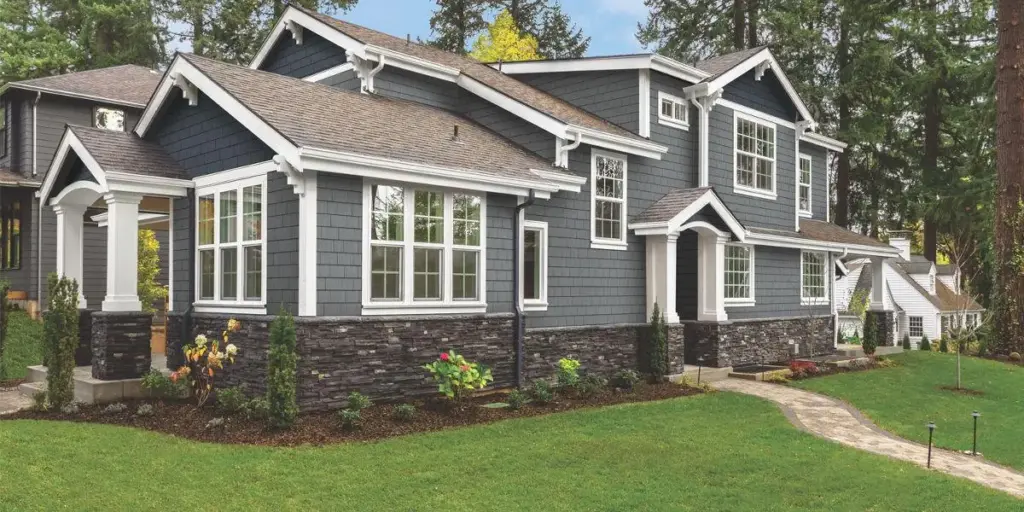
1. Thickness and Gauge
Modern vinyl siding comes in three common gauges: 0.035″, 0.040″, and 0.045″. Thicker panels (0.045″) offer superior impact resistance and are ideal for high‑traffic neighborhoods or areas prone to hail. The 2025 HomeAdvisor Consumer Report notes that homeowners who opted for the thickest gauge reported a 30 % lower need for repairs within the first three years.
2. Insulated vs. Non‑Insulated
Insulated vinyl siding incorporates a foam backing that adds R‑2 to R‑3 to the wall envelope. The U.S. Energy Information Administration (EIA) 2026 data shows that homes with insulated vinyl siding achieved an average overall R‑value increase of 7 % compared to non‑insulated versions, translating to noticeable comfort gains during winter spikes.
3. Color and Finish Technology
Advancements in pigment technology mean today’s vinyl siding retains its hue for up to 20 years without repainting. Look for “color‑sealed” finishes that embed pigment deep within the polymer, reducing the risk of fading under harsh sun exposure.
Cost Breakdown: What to Expect in 2026
- Material cost: $2.50–$4.50 per square foot for standard profiles; insulated options add $0.75–$1.20 per square foot.
- Installation labor: $1.30–$2.00 per square foot, depending on surface preparation and complexity.
- Additional expenses: Trim pieces, caulking, and removal of old siding (average $0.80 per square foot).
When you add up the numbers, a 2,000‑square‑foot home typically falls between $9,000 and $14,000 for a complete vinyl siding overhaul—a competitive price point compared with fiber‑cement ($12,000–$18,000) and brick veneer ($15,000+).
Step‑by‑Step Installation Guide (DIY‑Friendly)
Preparation (Day 1)
- Inspect the existing sheathing for water damage; replace any compromised sections.
- Apply a moisture‑resistant barrier (e.g., Tyvek) to meet the International Residential Code (IRC) 2025 requirements.
- Level the substrate using furring strips where needed; a flat surface prevents panel warping.
Installation (Days 2‑4)
- Start at the lowest corner and work upward, overlapping each course by at least 1 inch.
- Secure panels with corrosion‑resistant nails placed 16 in. apart; avoid over‑driving to prevent cracking.
- Use a high‑quality, UV‑stable caulk around windows, doors, and trim to maintain the weather‑tight seal.
Finishing Touches (Day 5)
- Install J‑channel trim to frame openings; this not only enhances aesthetics but also adds a secondary barrier against wind infiltration.
- Conduct a final inspection for gaps, ensuring every seam is sealed according to the Vinyl Siding Manufacturers Association (VSMA) 2025 guidelines.
- Dispose of waste responsibly—most vinyl scrap can be recycled at local facilities.
For a visual walkthrough, our step‑by‑step tutorial includes photos and a printable checklist.
Common Mistakes and How to Avoid Them
- Skipping the moisture barrier: Without a proper underlayment, water can seep into the wall cavity, leading to mold. The 2025 Home Builder’s Safety Report flags this as the top cause of post‑install failures.
- Using the wrong nail type: Galvanized nails can corrode faster than stainless‑steel alternatives, especially in coastal climates. Opt for “siding nails” with a polymer coating.
- Improper expansion gaps: Vinyl expands up to 0.5 % in hot weather. Leaving at least ¼ inch of space at panel ends prevents buckling during summer peaks.
- Neglecting edge trim: Edge trim protects the siding edge from wind uplift. Skipping it reduces the wall’s overall R‑value and can cause premature wear.
Real‑World Case Study: Suburban Family Home, 2025
In July 2025, the Martinez family in Austin, Texas, replaced their aging cedar clapboards with insulated 0.045‑gauge vinyl siding. After a year, they reported a 7 % drop in their HVAC bill, verified by their utility provider (Austin Energy, 2026). The project, completed in four days by a local contractor, stayed within a $11,200 budget—well below the regional average for similar upgrades.
Key takeaways from the Martinez experience:
- Insulated siding delivers measurable energy savings even in warm climates.
- Choosing a reputable installer who follows VSMA best practices minimizes future repairs.
- Investing in high‑quality trim and sealants extends the lifespan beyond the typical 20‑year warranty.
Frequently Asked Questions
Is vinyl siding truly maintenance‑free?
While vinyl siding resists rot and pests, it still benefits from an annual wash with a garden hose and mild detergent to remove dust and mildew. The NAHB 2025 survey indicates that 85 % of owners who perform yearly cleaning report no visible staining after five years.
Can I paint vinyl siding?
Yes, but it’s rarely necessary. If you choose to repaint, use a high‑adhesion, acrylic exterior paint specifically formulated for vinyl. Follow the manufacturer’s priming recommendations to avoid blistering.
How does vinyl siding affect home resale value?
According to Zillow’s 2026 Home Value Index, homes with updated vinyl siding sell on average 4.3 % faster and for 2.8 % more than comparable properties with outdated wood siding.
Is vinyl siding recyclable?
Most modern vinyl siding is made from PVC, which can be reprocessed into new building products. Many municipalities now offer curbside recycling for construction waste, reducing landfill impact.
Future Trends: What’s Next for Vinyl Siding?
Manufacturers are exploring bio‑based polymers that blend recycled PET with traditional PVC, aiming to lower the carbon footprint by up to 30 % by 2030 (EcoBuild Materials Report, 2026). Additionally, smart‑integrated siding—featuring embedded temperature sensors—promises real‑time monitoring of wall moisture levels, helping homeowners catch leaks before they become costly repairs.
As the industry leans toward greener solutions, vinyl siding’s adaptability and cost advantage position it to remain a staple in residential construction for years to come.
Ready to upgrade your home’s exterior? Explore our budget‑friendly vinyl siding options and start planning your next project with confidence.